
The Latiné Immigration and Health Study (LIHS)
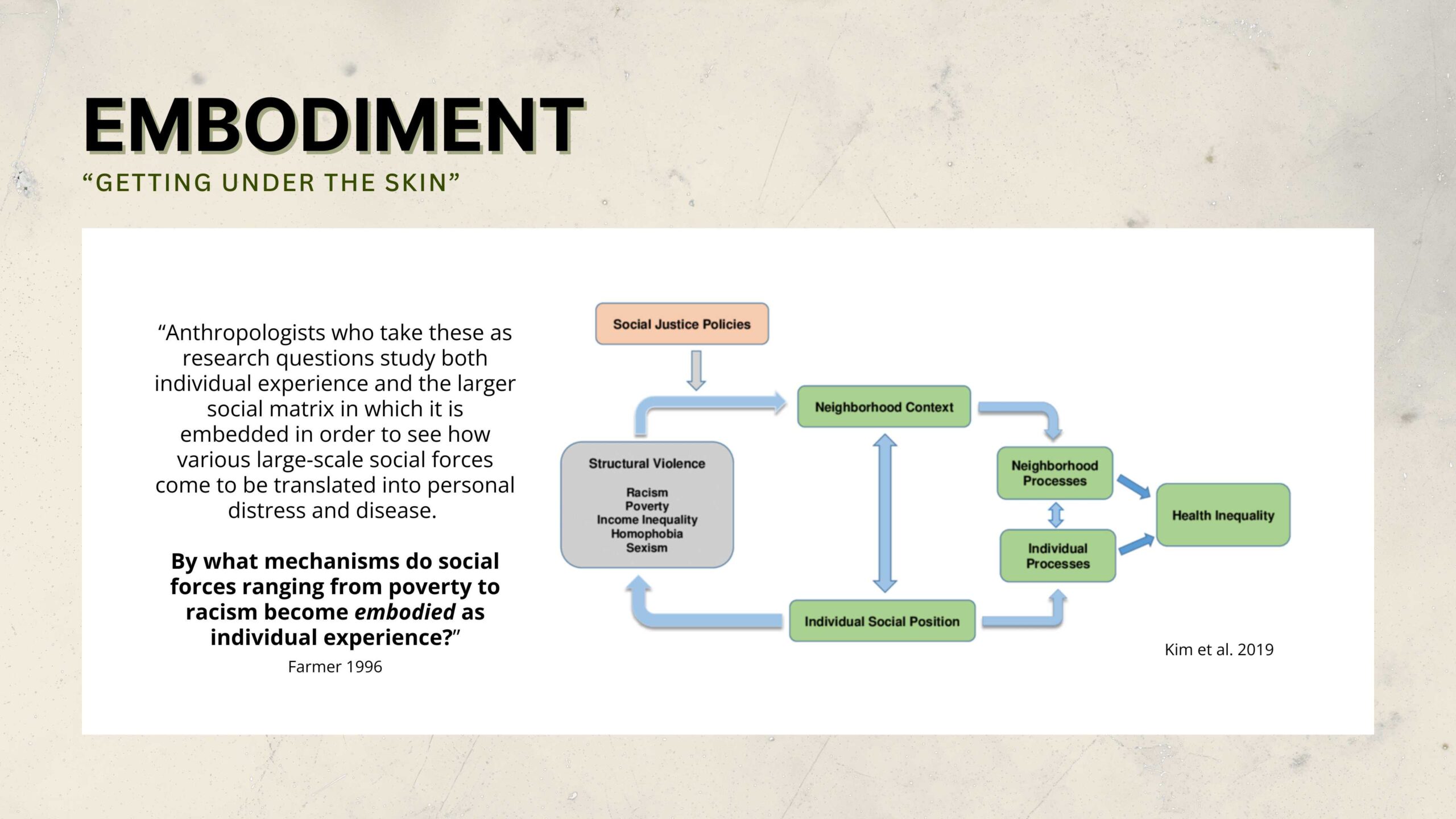
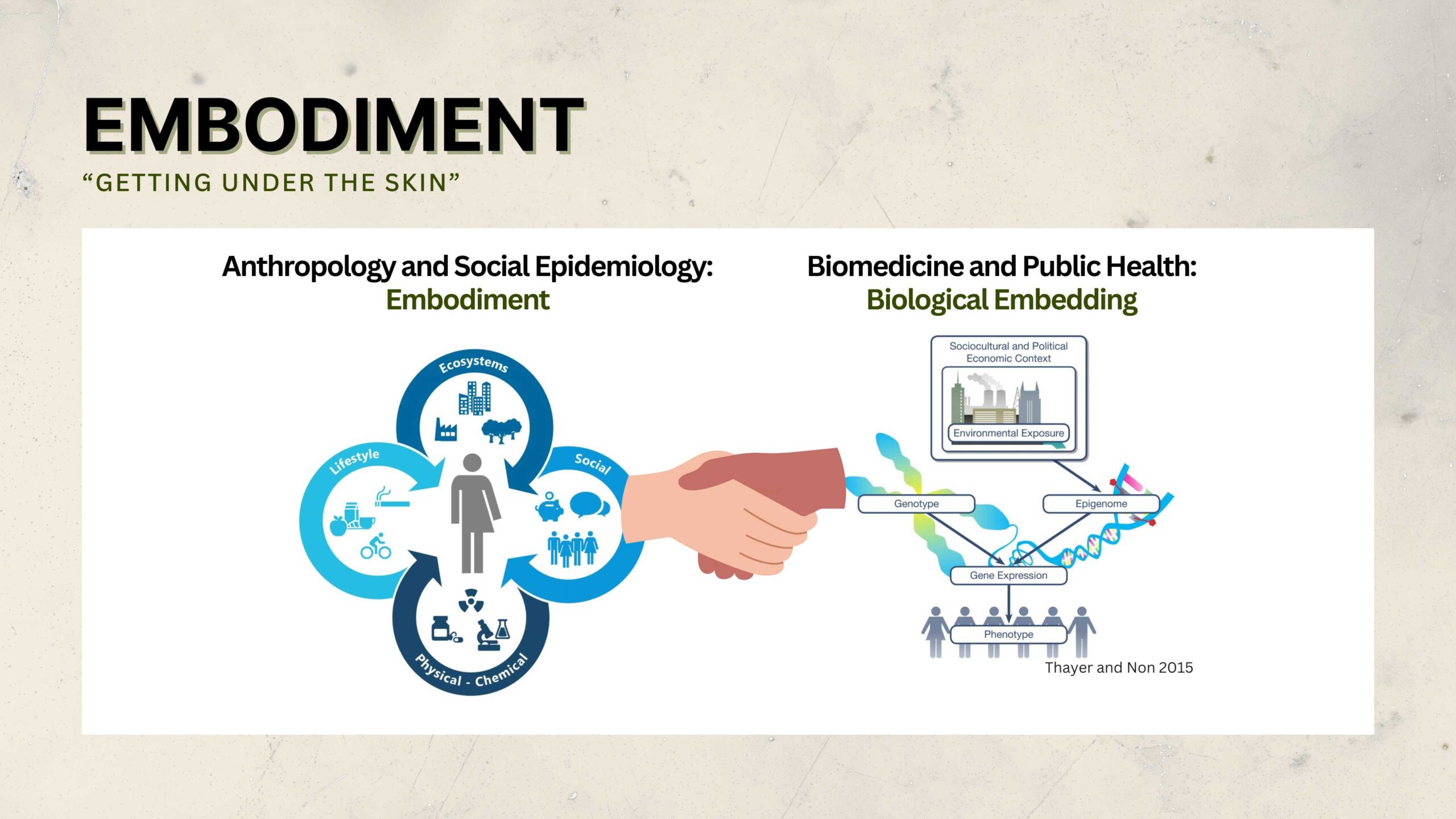
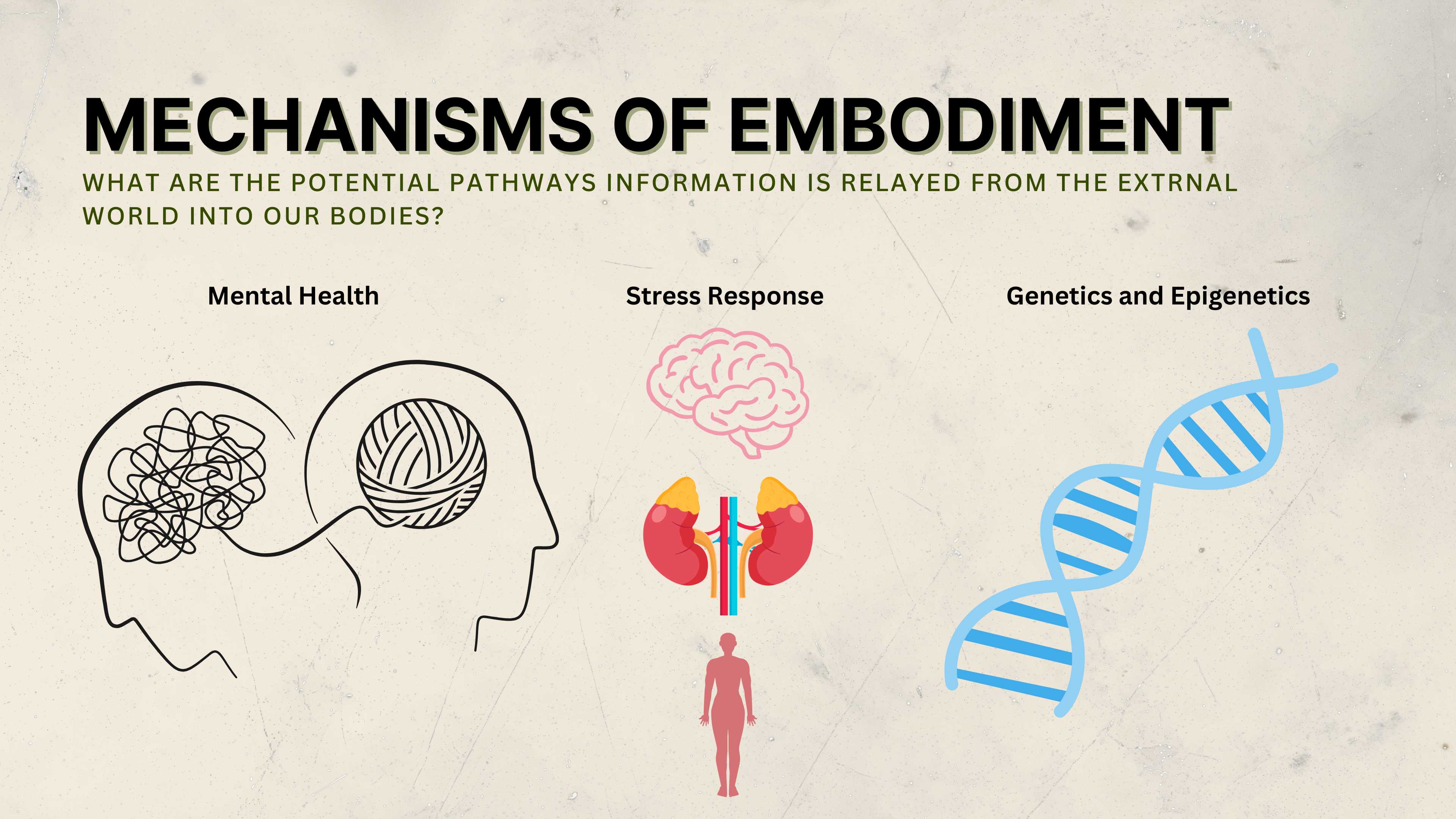
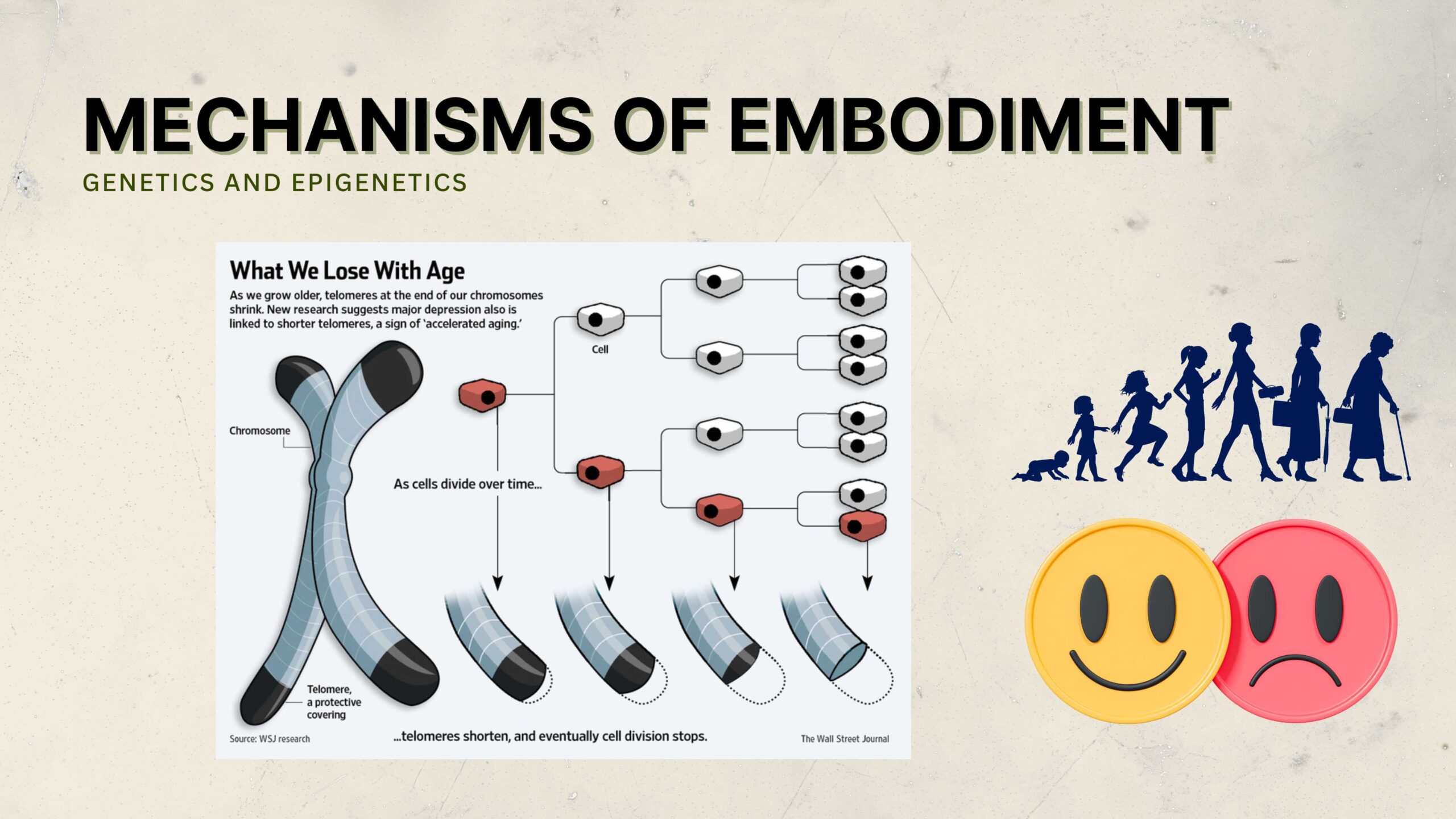
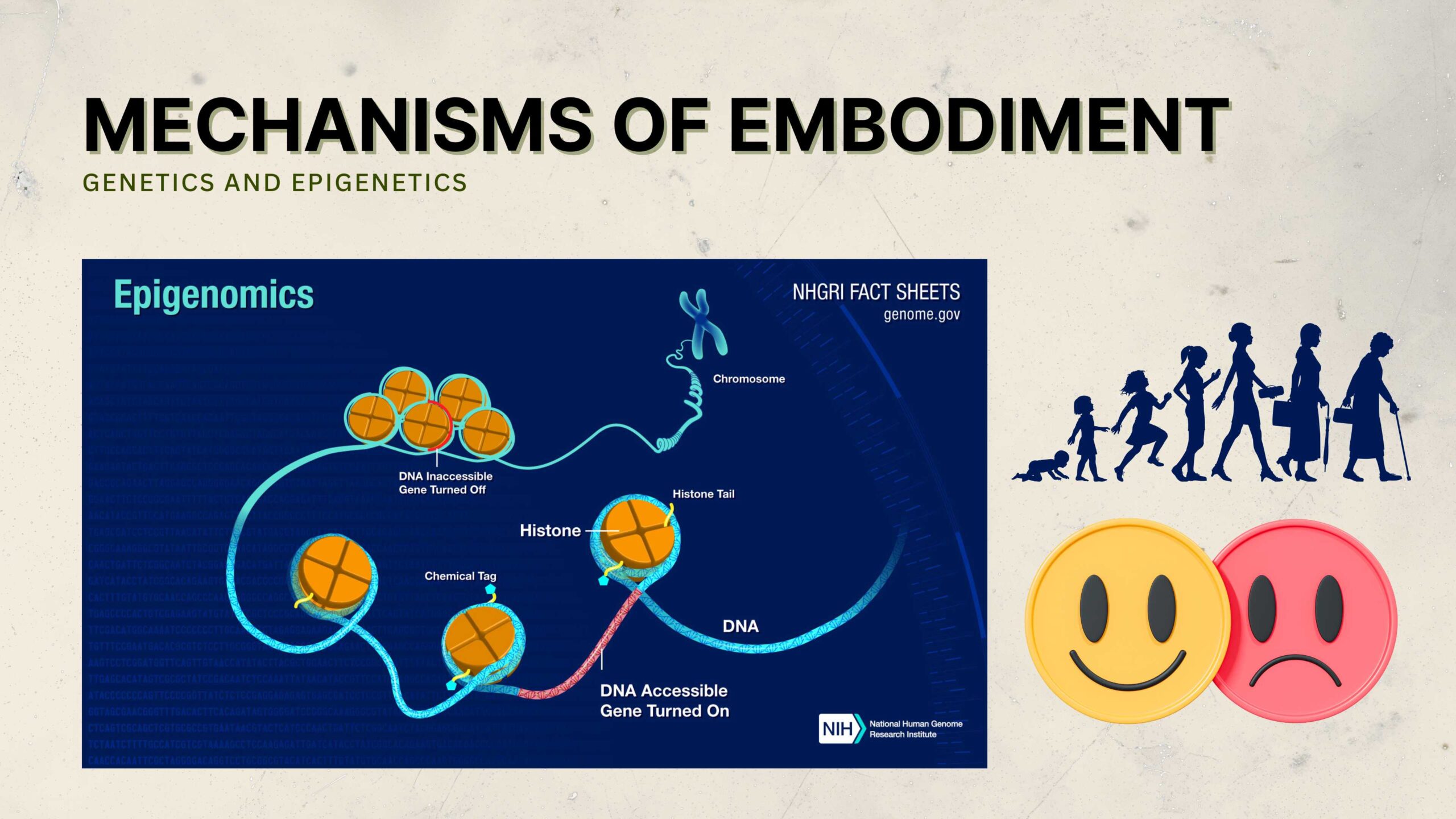
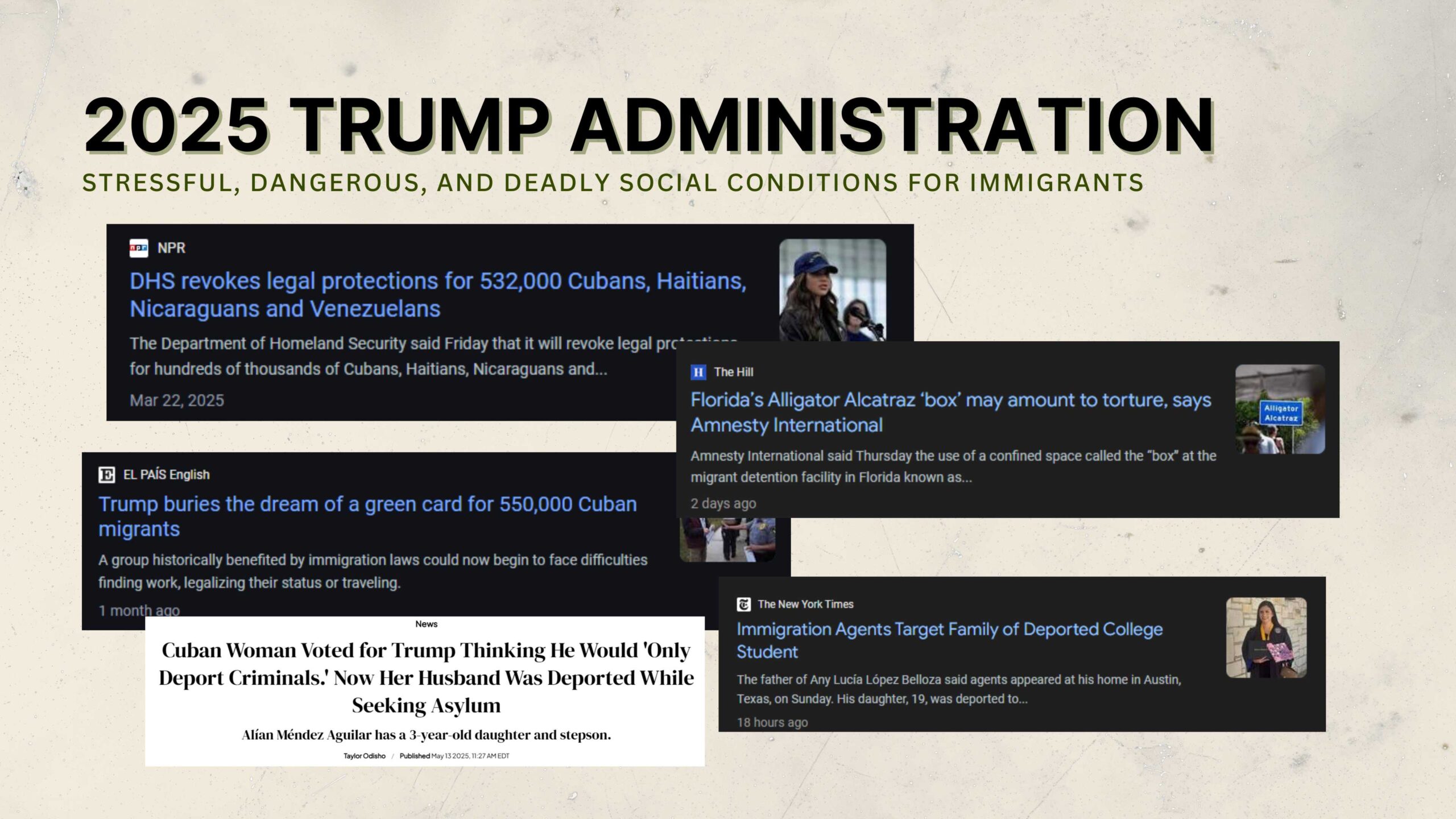
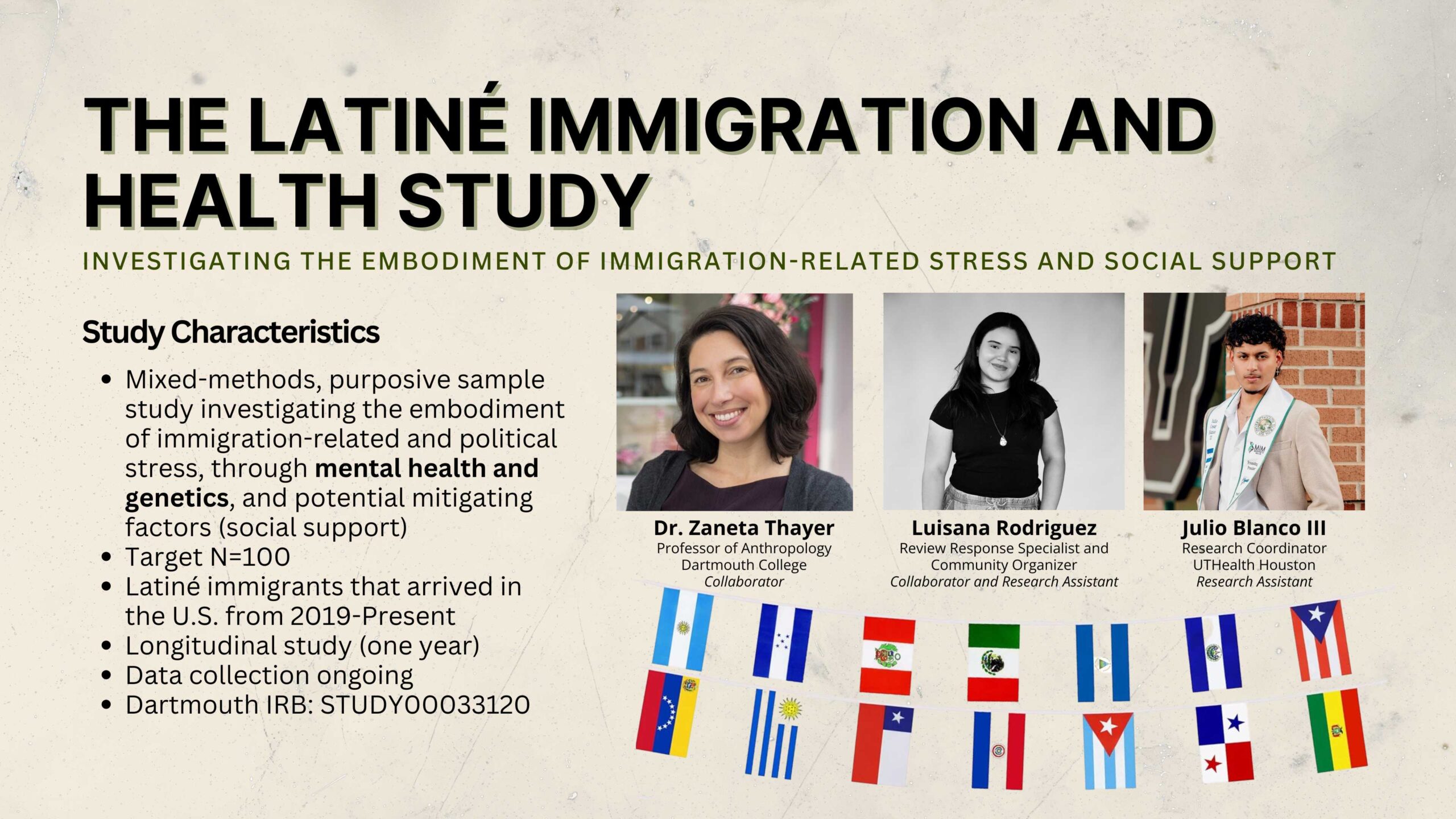
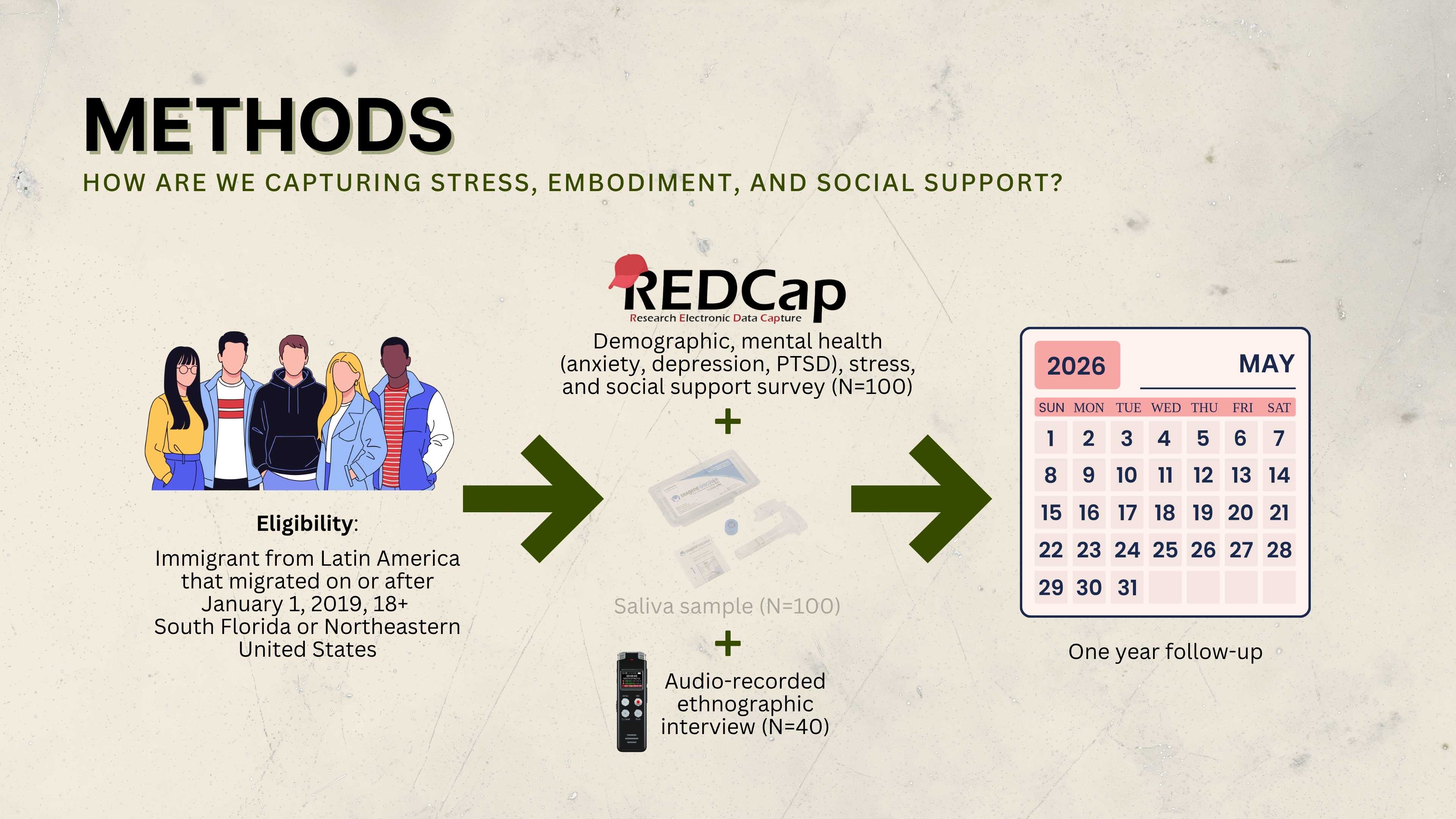
Project Description: Since January 2025, U.S.-based immigrants have experienced extremely adverse social conditions related to changes in the political climate. Such adverse experiences have been linked to the development of poor health. Understanding and addressing the impact of immigration-related adversity on the health of immigrants is essential for promoting health equity. This project investigates whether immigration-related stress and access to structural and social support are associated with mental health and biological aging among Latiné immigrants. I will do this through a longitudinal study that follows Latine immigrants living across the United States who arrived on or after January 1, 2019. Using data collected at baseline and one year later, the study will investigate two questions: 1) Are there differences in health related to perceived stress associated with the current political climate? And 2) How does variation in access to structural and informal systems of support relate to differences in mental health and biological aging between baseline and follow-up? Overall, this research highlights the mechanisms by which social determinants of health are biologically embodied and identifies modifiable social factors and protective resources that can enhance wellbeing among marginalized peoples in the U.S.
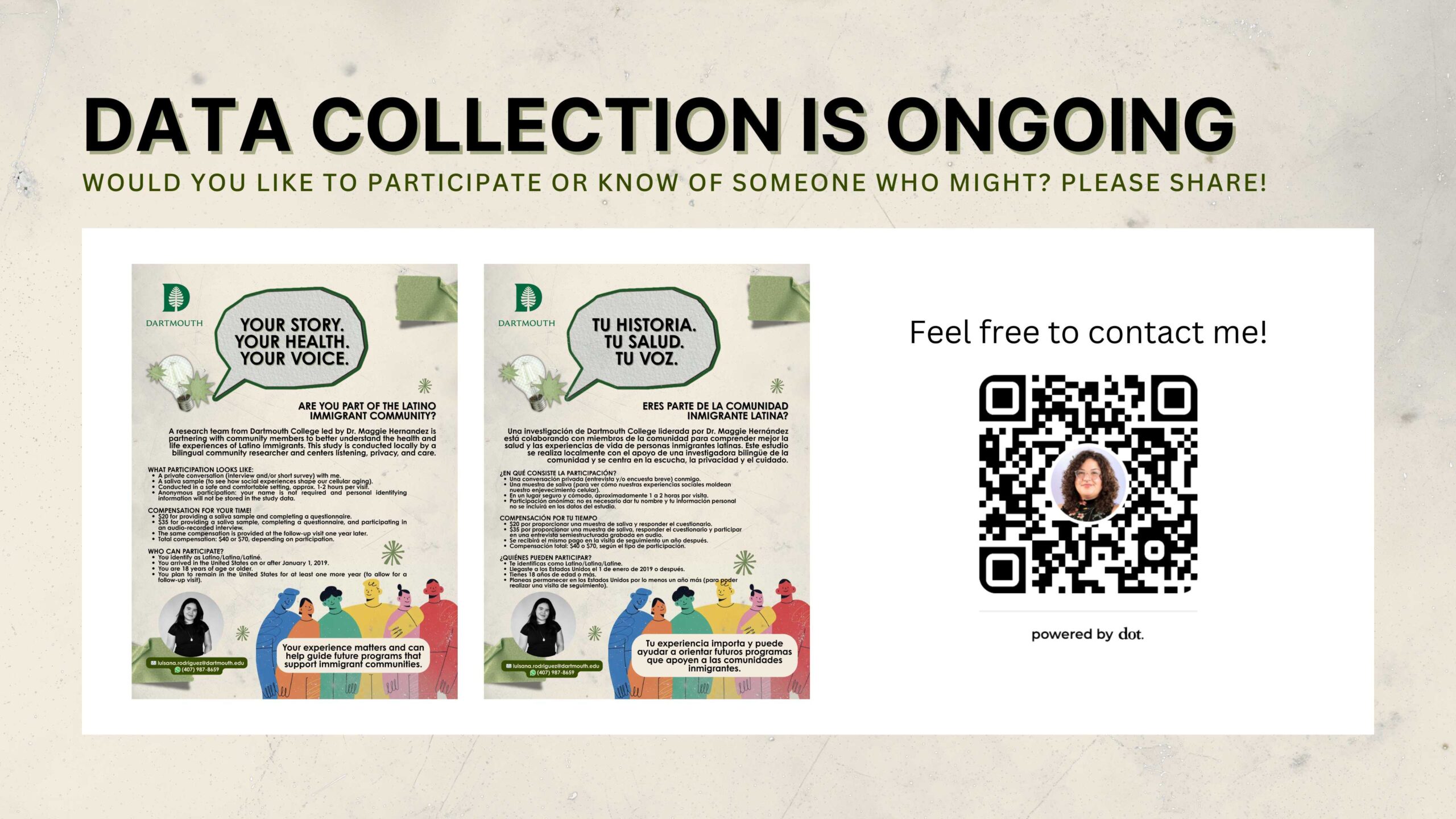
The LIHS is open for enrollment. Below are the consent forms and study fliers in English and Spanish!
If you’re interested in participating and live in South Florida, please contact Maggie Hernandez.
If you’re interested in participating and live in the Upper Valley of the United States (New Hampshire and Vermont), please contact Luisana Rodriguez.


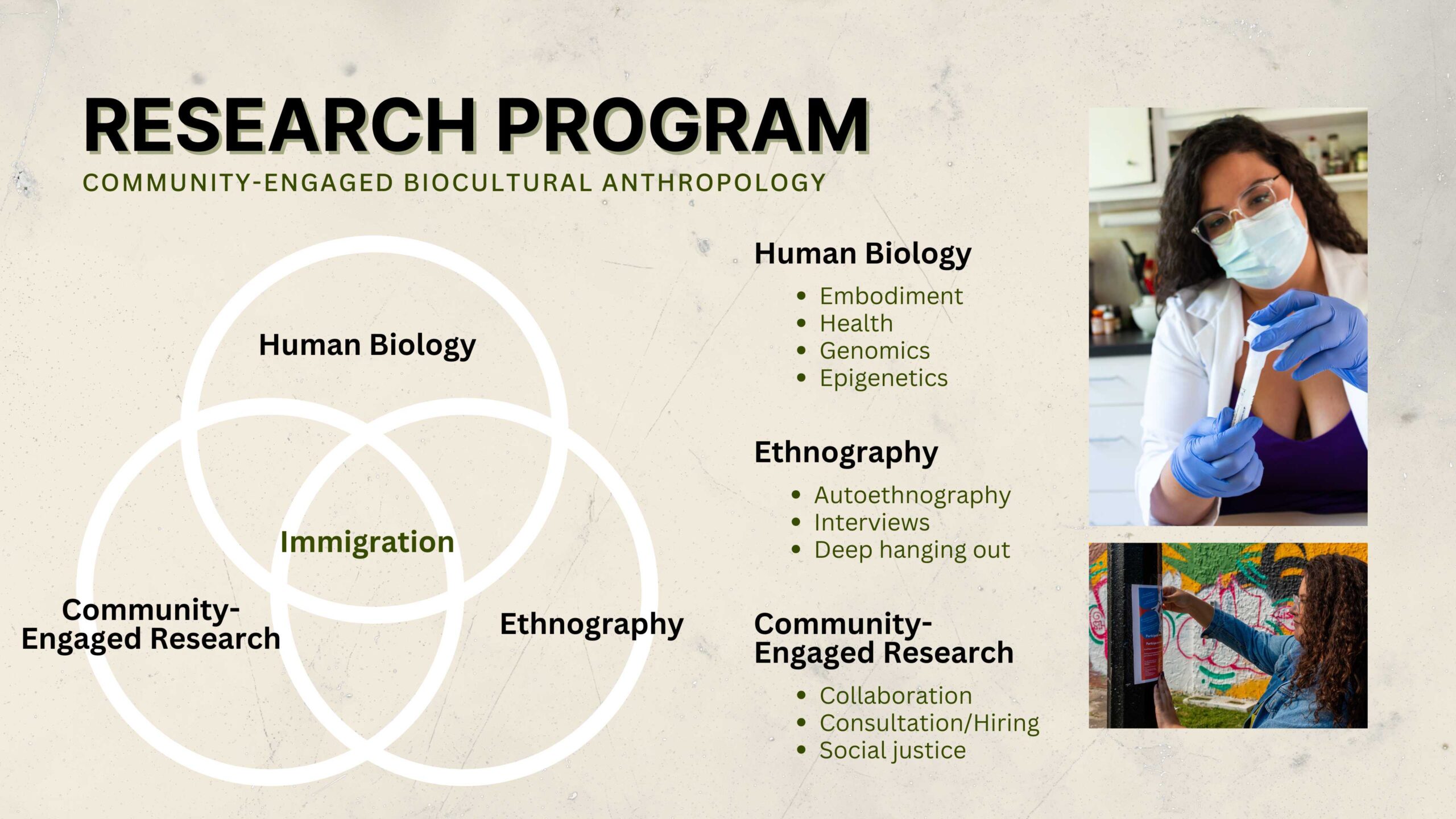
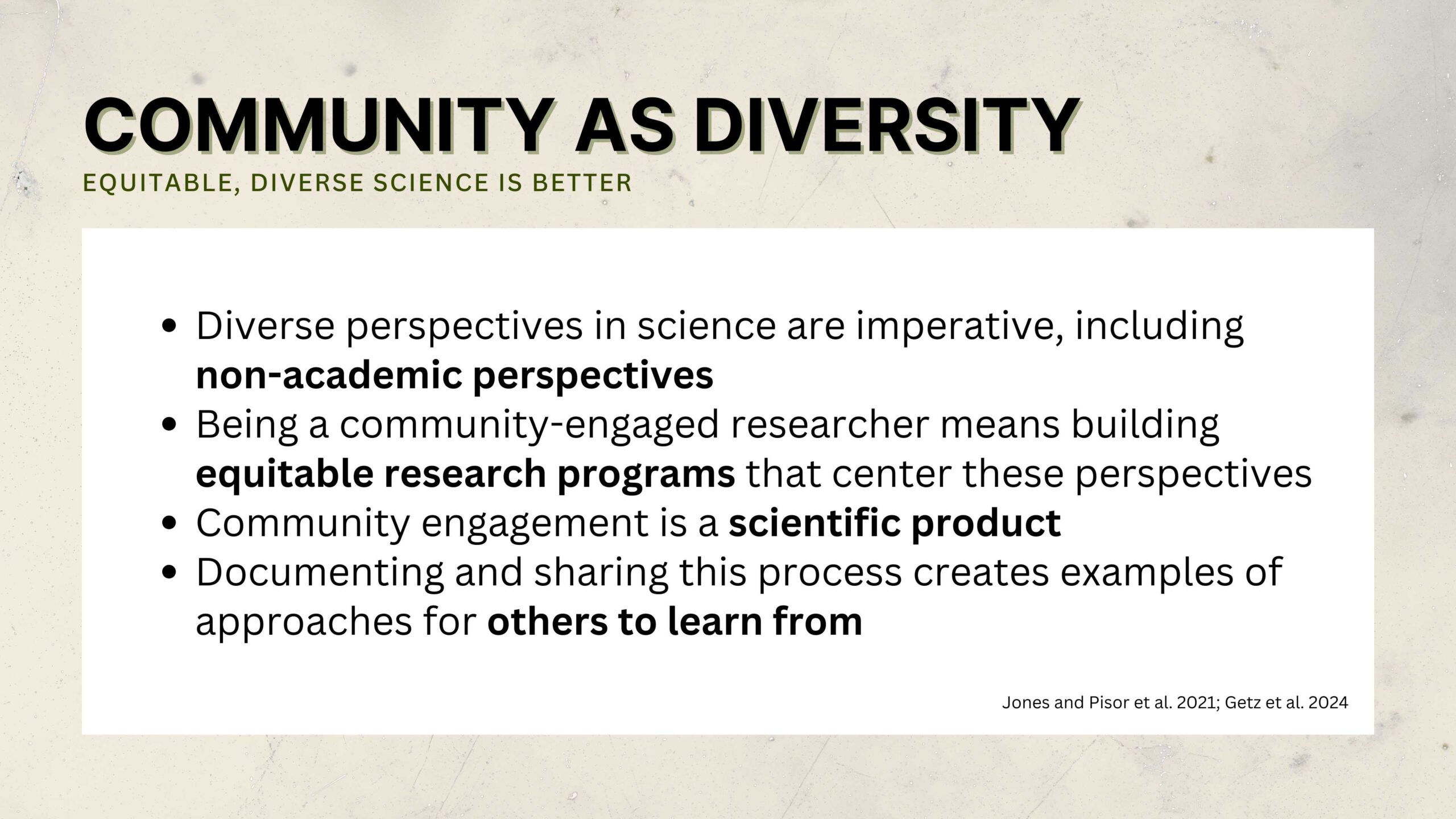
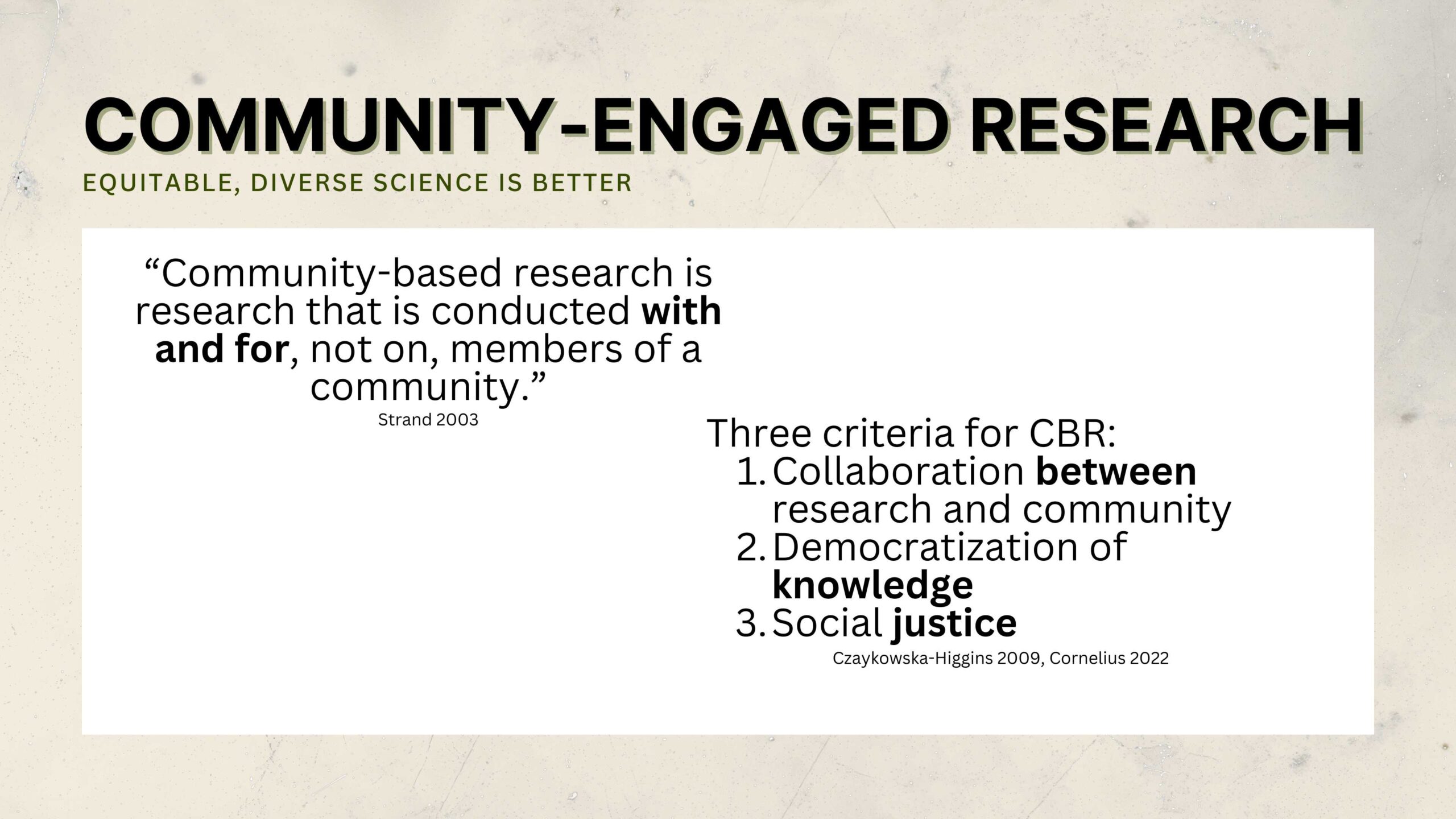
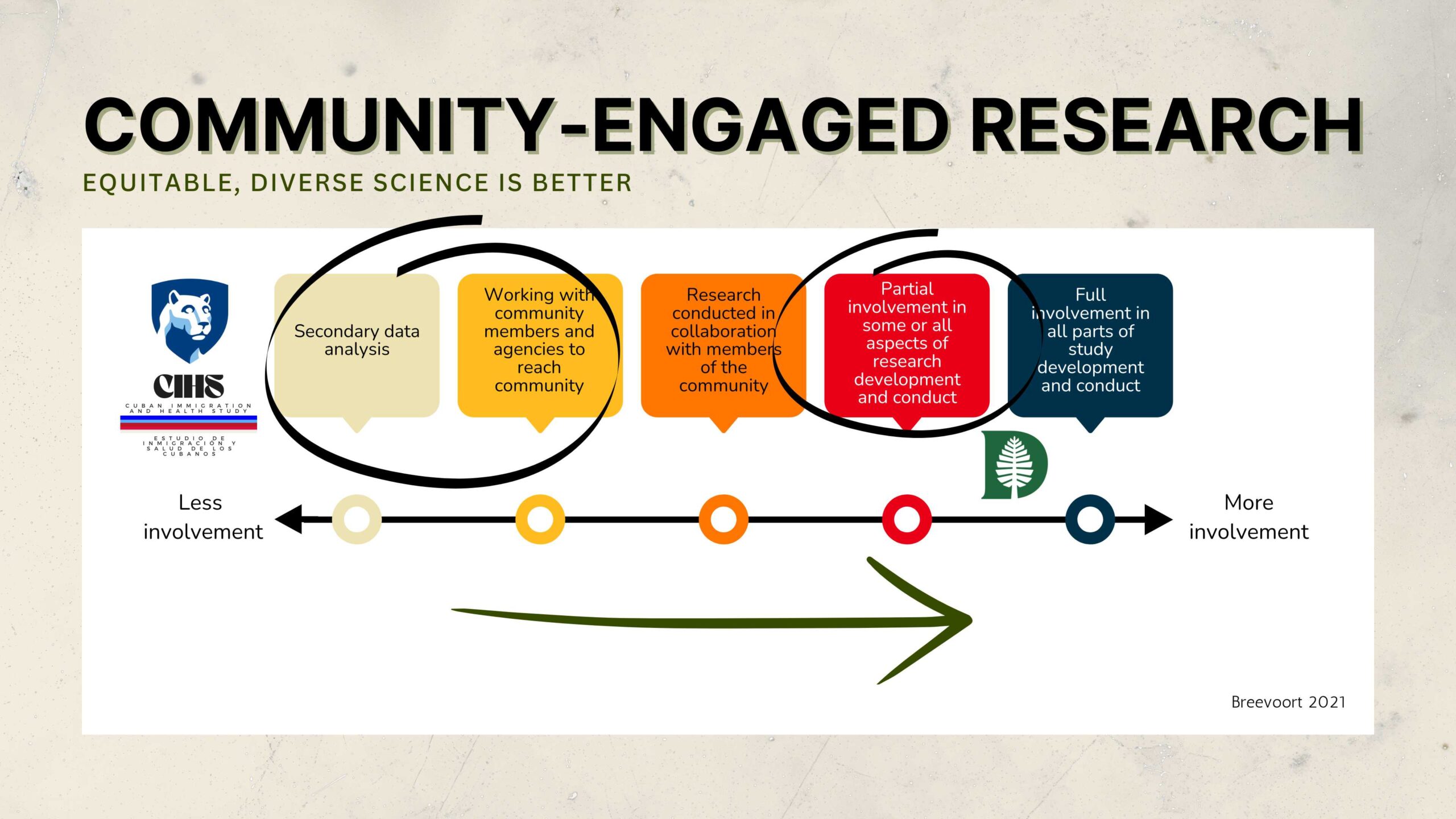
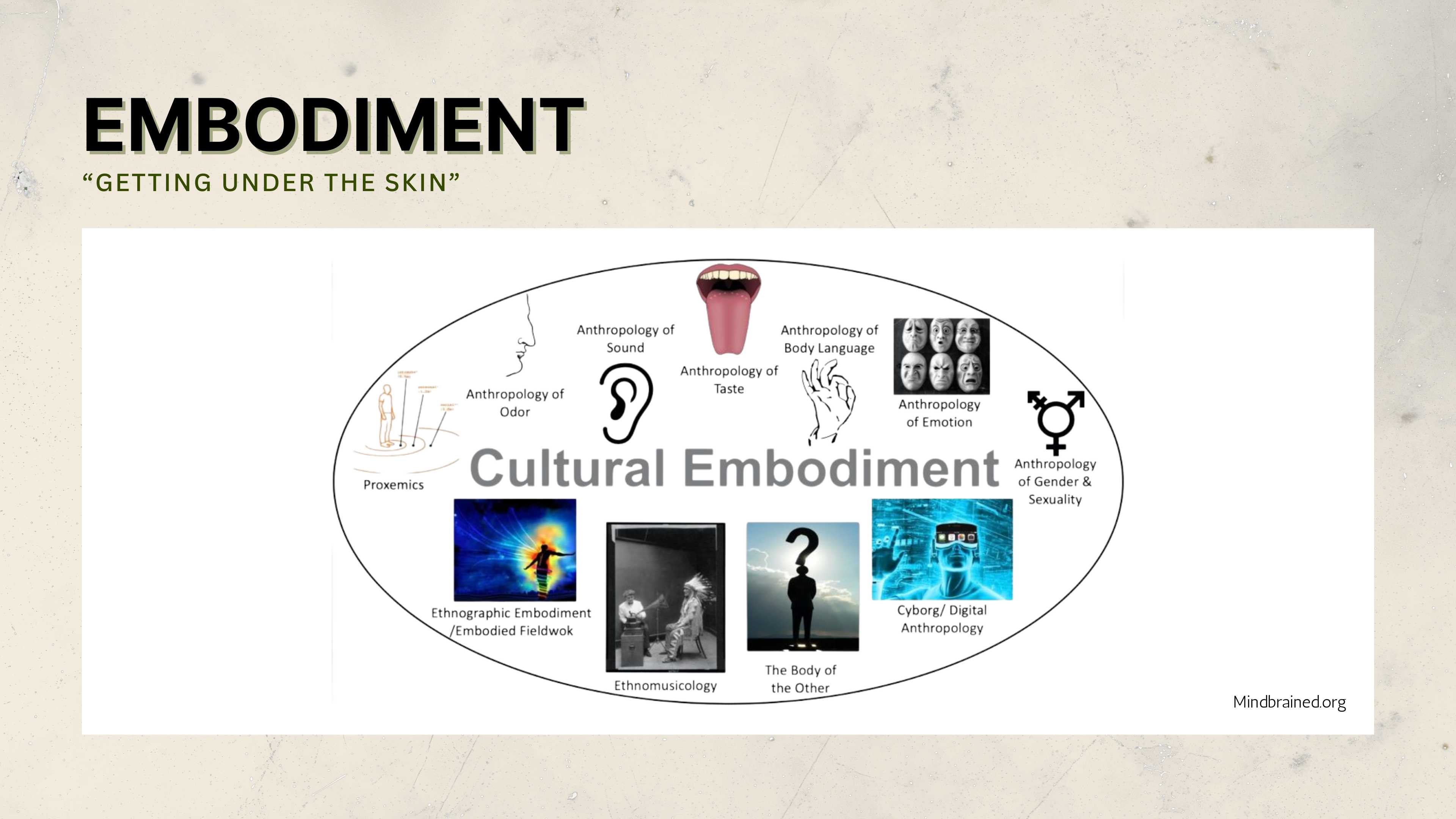
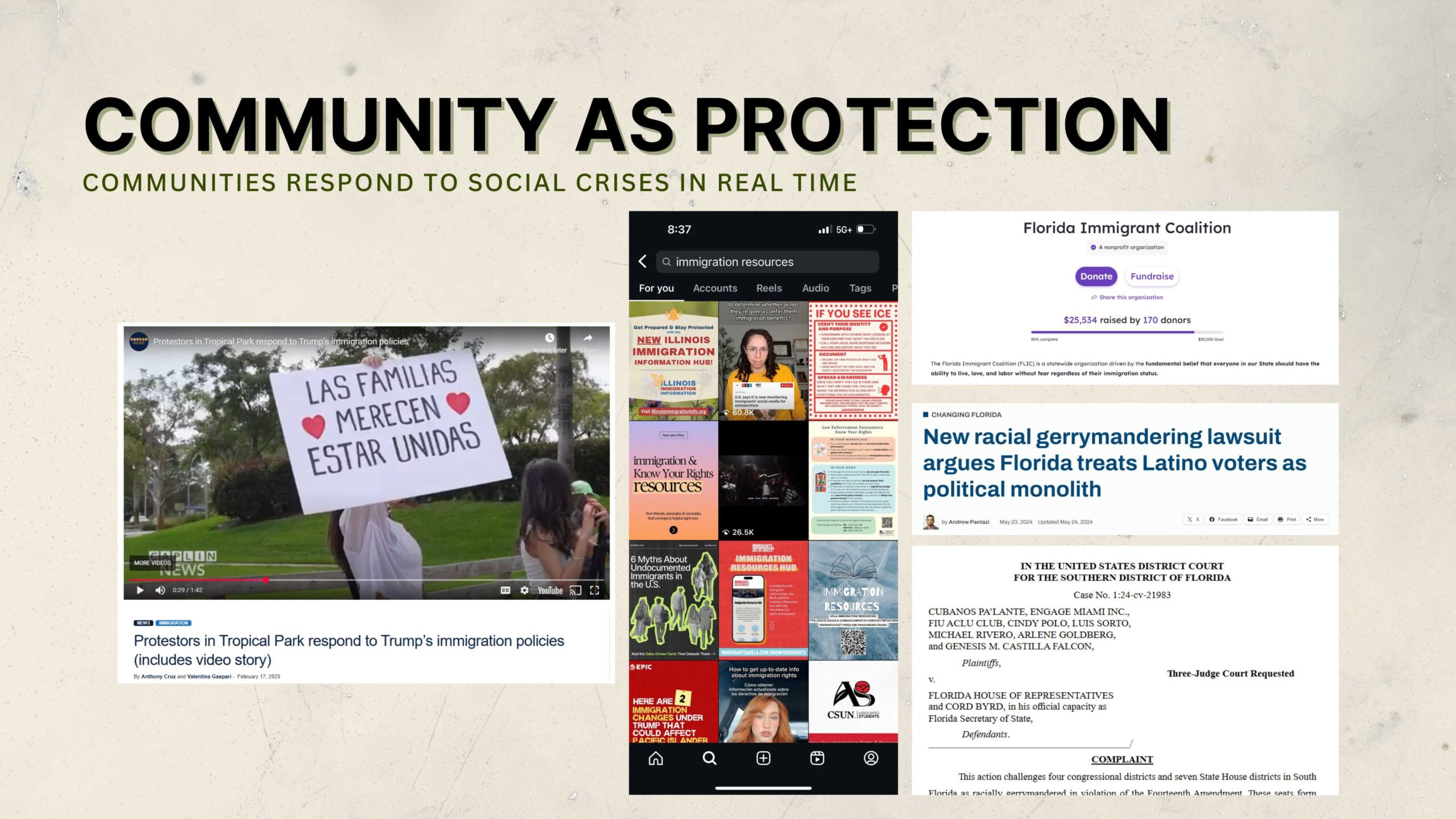
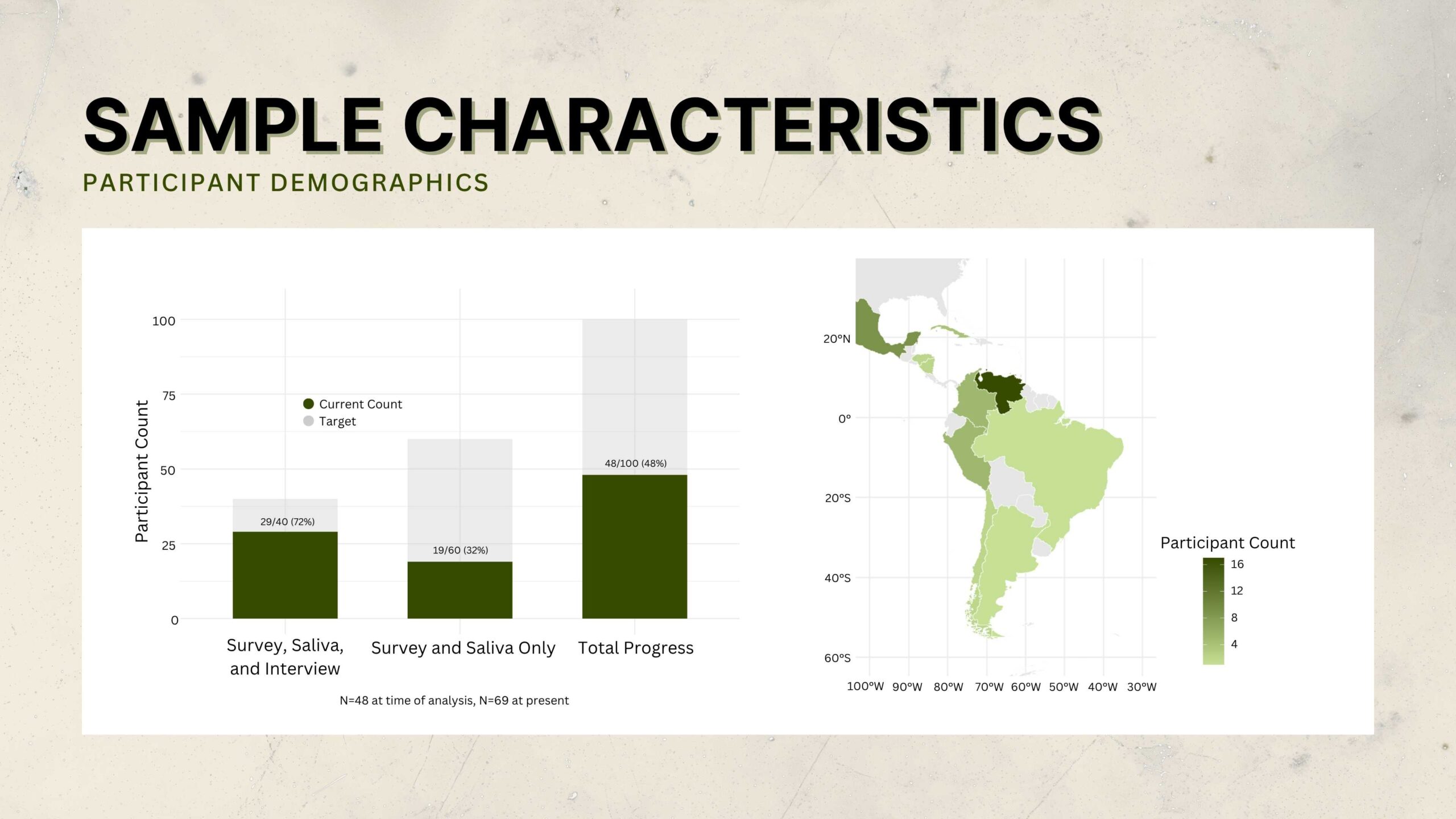
On May 28, 2026, I gave a virtual lecture as part of the Florida Public Archaeology Network (FPAN) Virtual Cafecito Lecture series. This talk included a methodological overview of the study, including community-engaged research methods and mechanisms of embodiment, and preliminary results as data collection is ongoing!
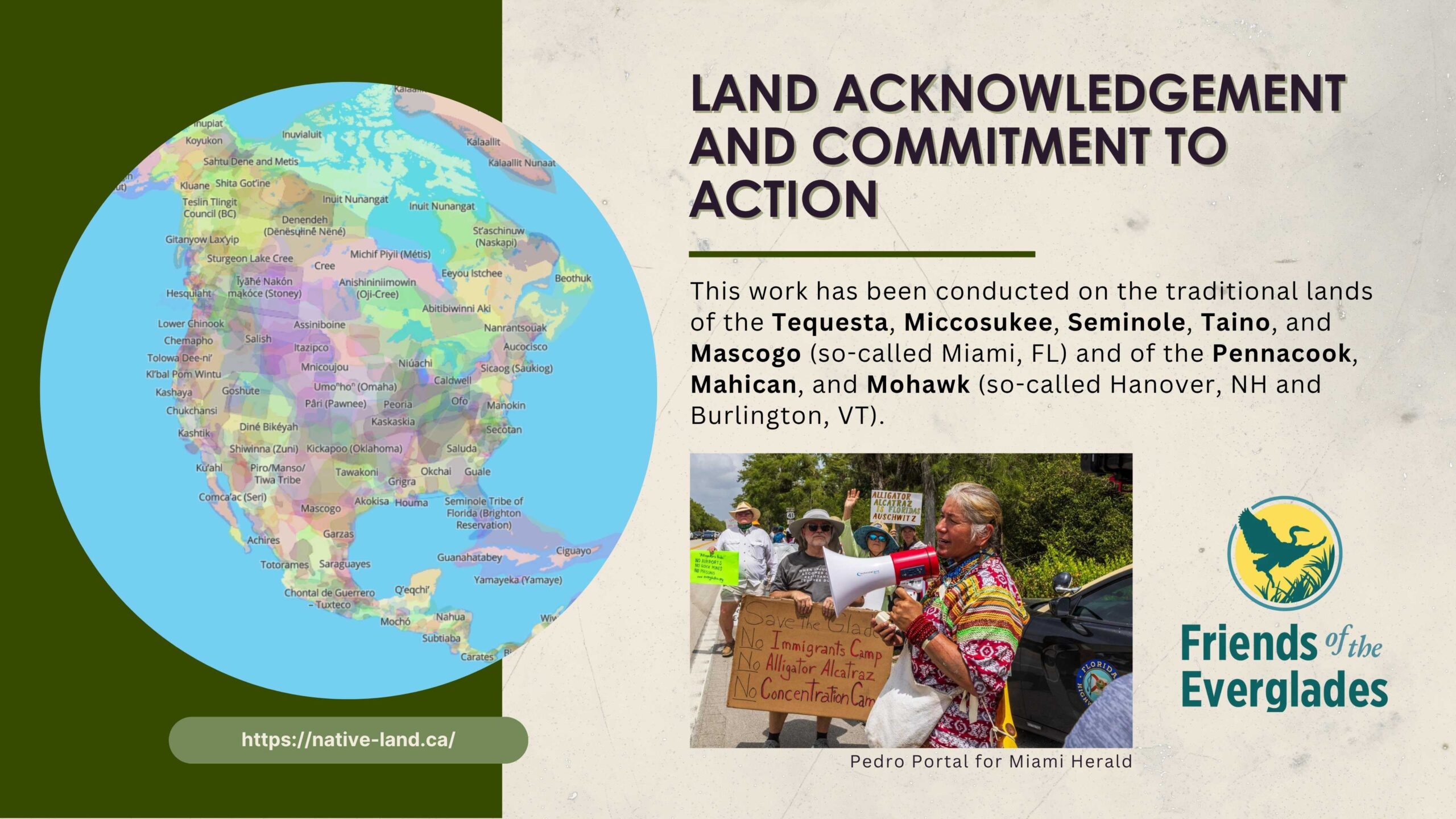
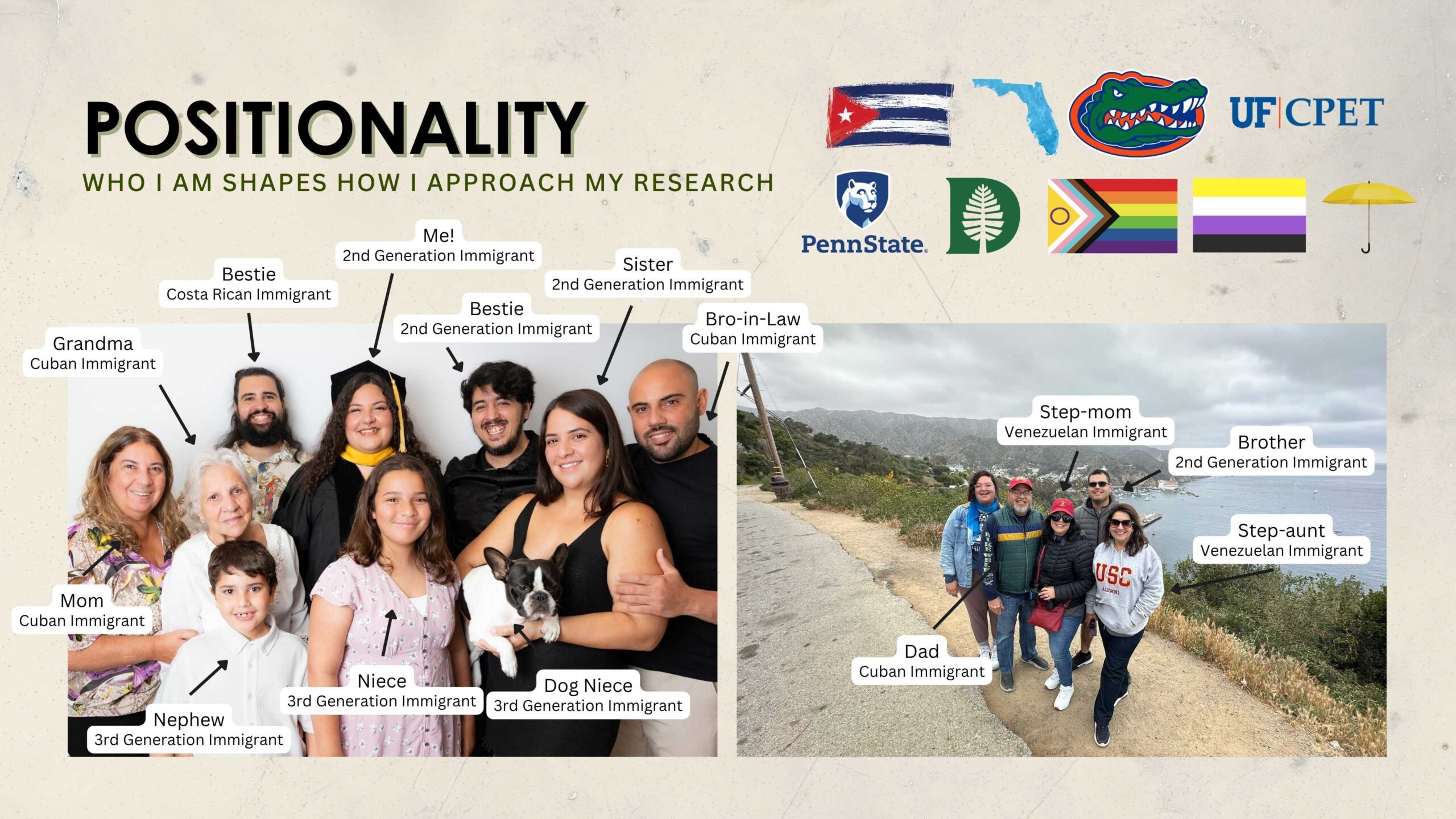
Below are the slides used for the virtual lecture.


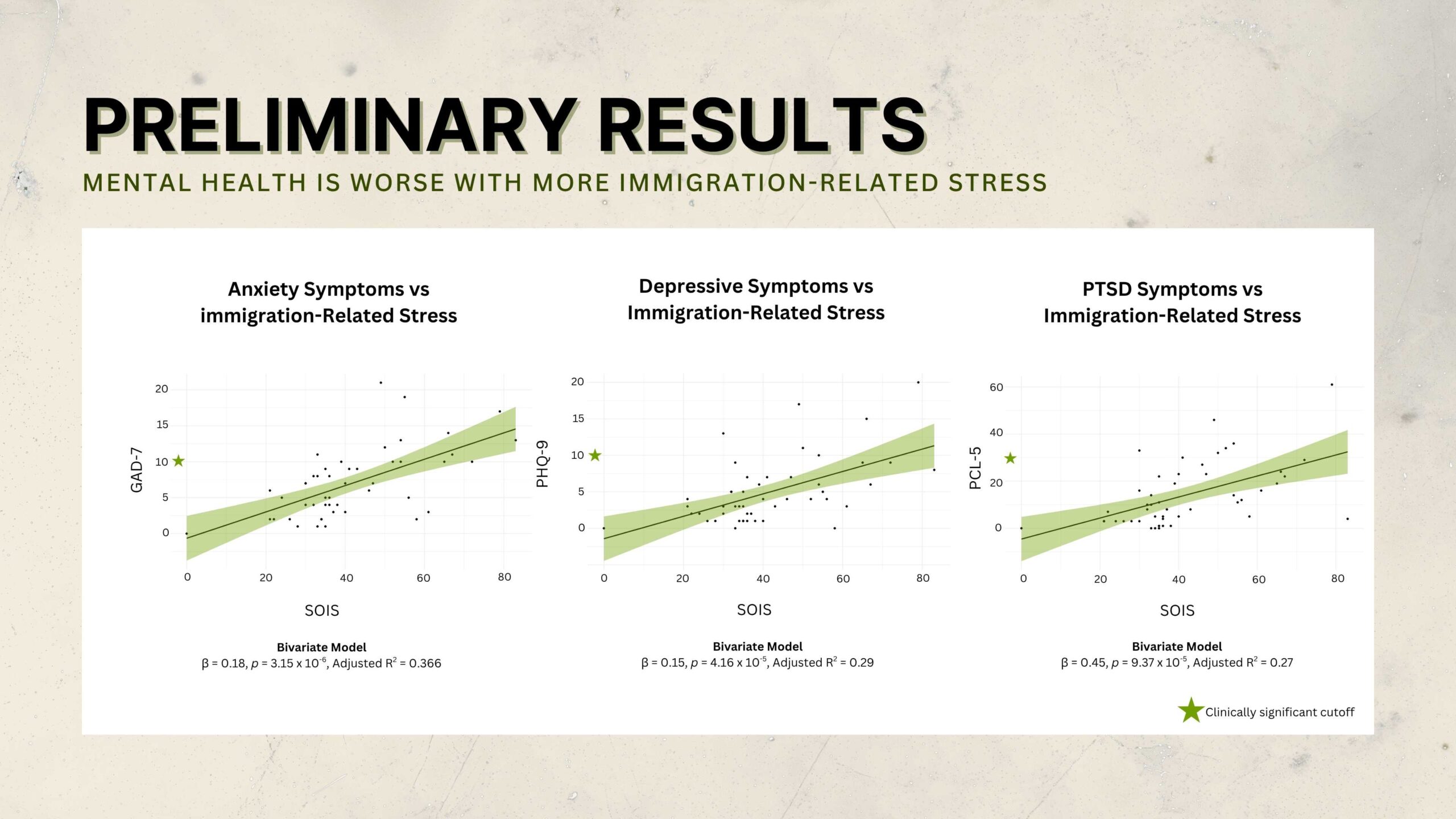
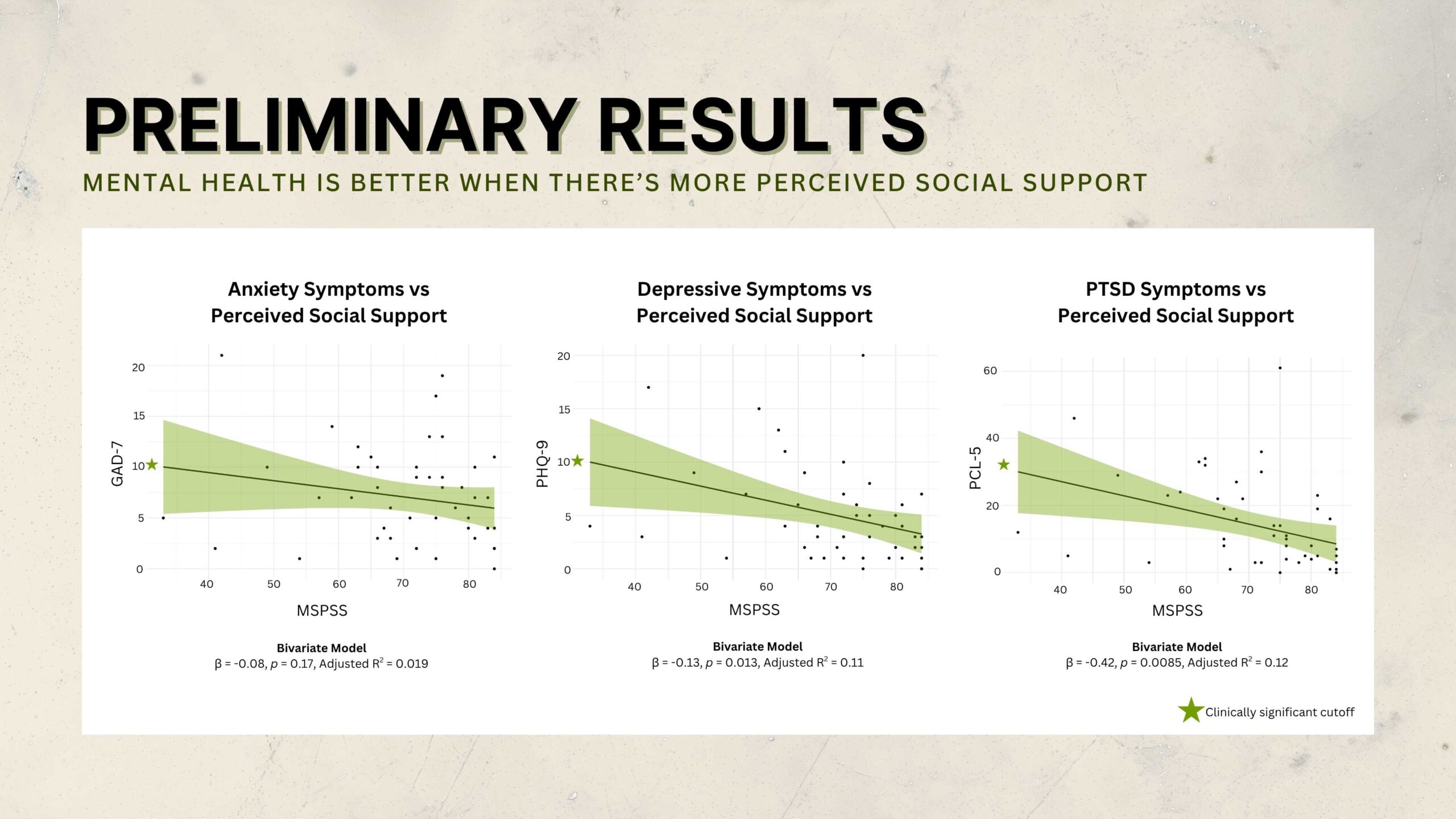
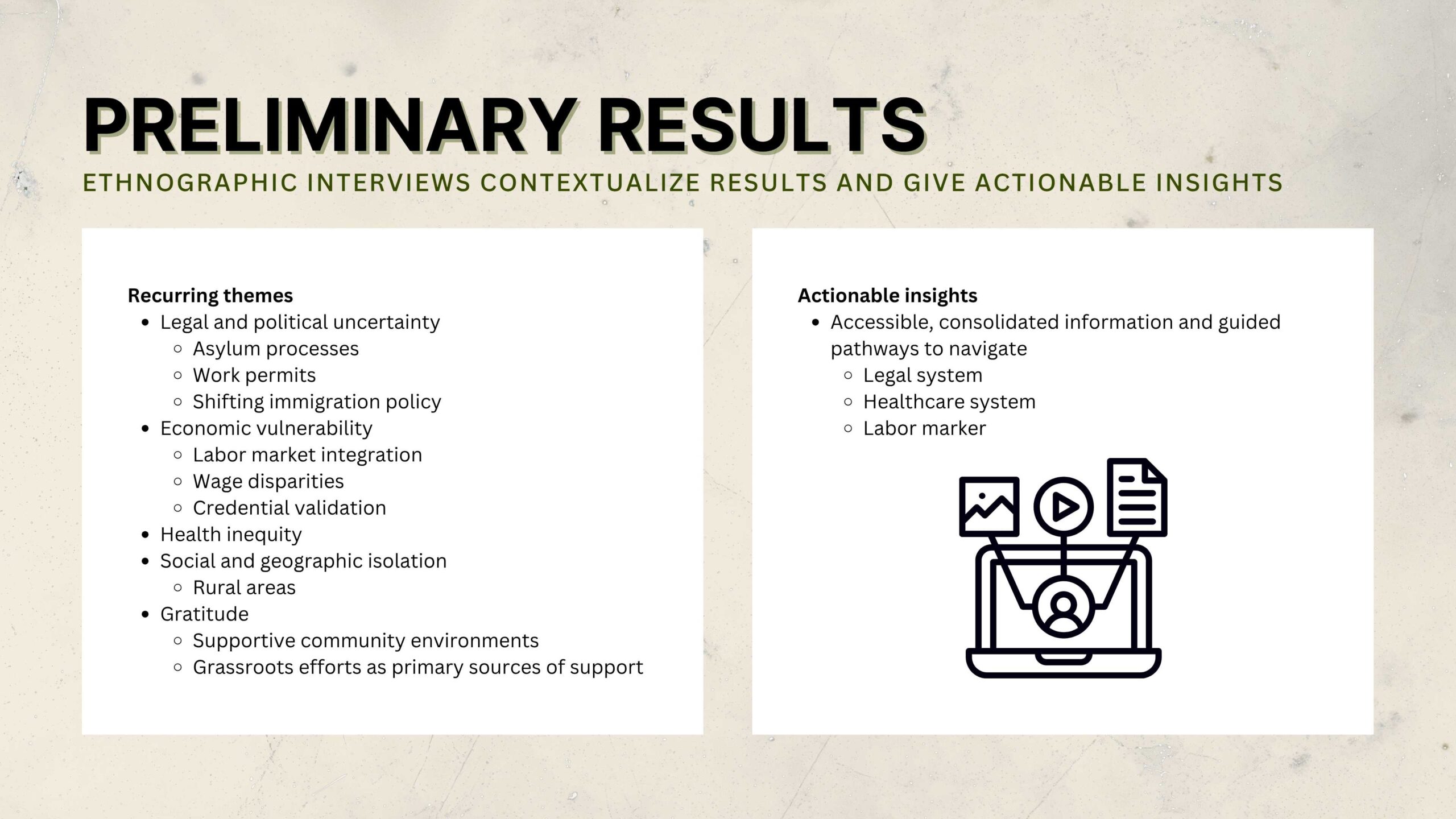

This poster was presented at two different sessions in the Spring of 2026: The 2026 SACNAS New England Chapter Community Gathering and the 2026 Guarini Poster Session hosted by the Guarini School of Graduate and Advanced Studies at Dartmouth.
The poster is available for viewing below in both English and Spanish.

